How Affiliates Can Win Premium Brand Deals in 2026

The affiliate marketing industry has officially exited its “wild west” era. With the start of 2026, we are seeing a massive consolidation of budget towards partners who offer more than just a link and a prayer.
Recent data from Impact.com’s Global State of Affiliate Marketing Report highlights a staggering statistic: 74% of brands increased their affiliate investment over the last twelve months.
However, this influx of capital comes with a catch. Brands are no longer scattering budgets across thousands of anonymous publishers.
They are consolidating spend into partners who demonstrate operational maturity. For content creators and publishers, the goal for 2026 is clear: you must prove you are “partnership-ready.”
If you want to capture a larger slice of these expanding budgets, you must fundamentally upgrade how you package and present your value.
Here is how high-performing affiliates are preparing their offerings to win meaningful contracts this year.
🤝From Clicks to Collaboration: Build Strategic Brand Synergy
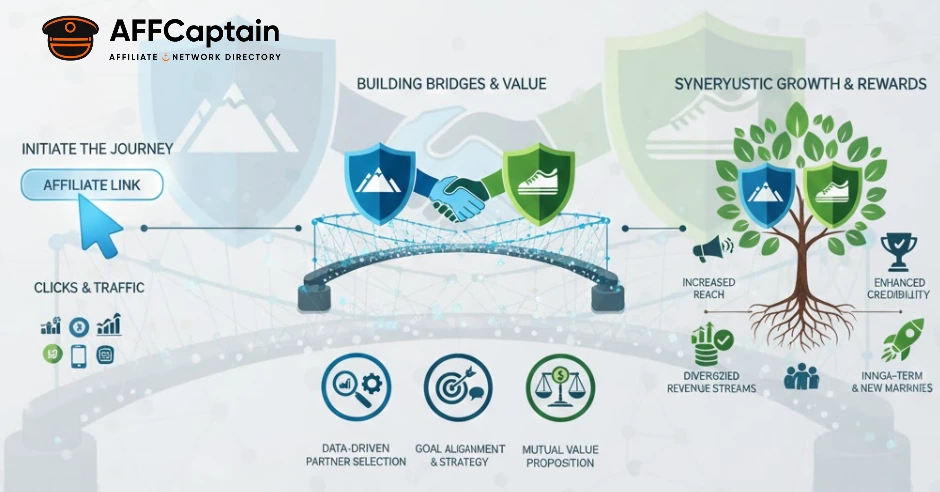
Brands now scrutinize potential partners through a strategic lens rather than looking strictly at click volume. They want to know if you can act as an extension of their marketing team.
Research indicates that brands define sophisticated partnerships by “elevated creator relationships.” This means they are looking for performance-based marketing strategies that align with their wider business goals.
To win these contracts, your media kit must highlight metrics that go beyond the sale.
When pitching, stop selling traffic. Start selling audience influence and brand lift. Show potential partners that while you drive sales, you also educate customers and keep your community engaged with their narrative.
🌐 Blend Affiliate Marketing With Influencer Content Strategies
There is a rapid convergence happening between traditional affiliates (bloggers, coupon sites) and influencers. Brands are set to dedicate significant portions of their 2026 budgets to this intersection.
In fact, 59% of brands plan to allocate a quarter or more of their spend specifically to influencer-style partnerships.
You might be a technical reviewer or a comparison site owner, but you must adopt high-engagement content formats.
Brands prefer partners who can create original assets rather than simply hosting banners. This shift requires you to develop influencer-affiliate hybrid models where you blend technical SEO with personality-driven content.
Merging affiliate precision with influencer authenticity creates a powerful hybrid model that drives both engagement and conversions for brand partners.
🤖 Scale With AI tools While Keeping Content Authentic
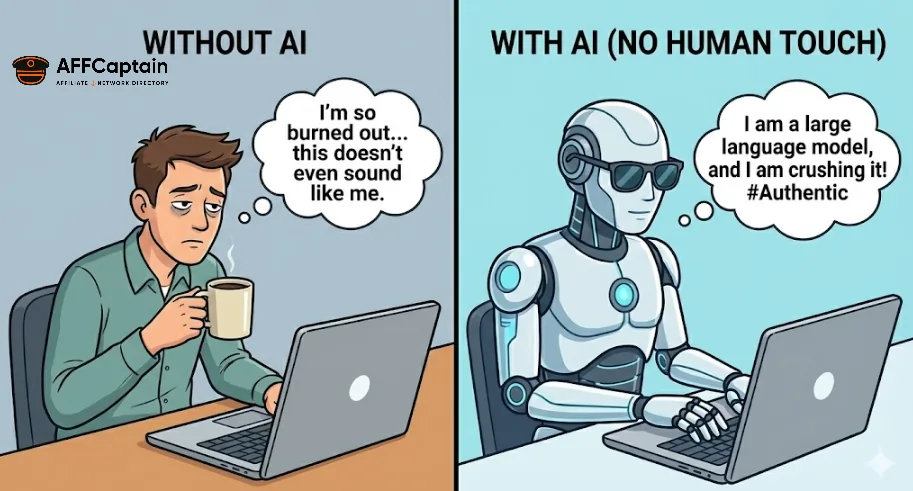
Artificial Intelligence is no longer a buzzword; it is a baseline requirement for efficiency. However, using AI just to spam generic articles is a fast track to getting blacklisted by premium brands.
The winning formula for 2026 involves using AI-driven content creation tools to scale operations while keeping the output human-centric.
Brands use AI to analyze partner performance, and they expect you to use it to optimize your output.
How to integrate AI into your offering:
AI amplifies output, but authenticity drives trust—winning affiliates use automation for efficiency while preserving the human voice that builds loyal audiences
🧭 Implement Multi-Touch Attribution Reporting
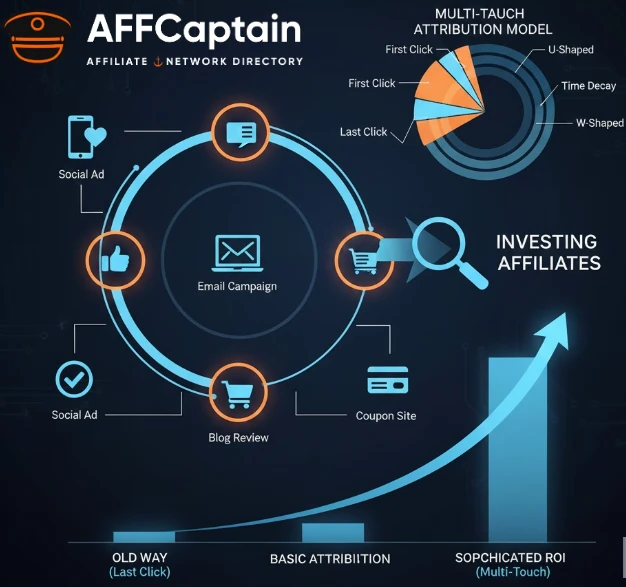
If you cannot measure it, you cannot sell it. The most significant friction point between brands and affiliates is attribution. Brands want to know exactly how much value you provide, and “last-click” models often fail to tell the whole story.
Sophisticated affiliates are now investing in multi-touch attribution models to prove their worth across the entire buyer journey.
You need to show brands that you are not just poaching sales at the checkout line, but initiating interest days or weeks prior.
Upgrade your reporting to include:
Providing this level of data transparency builds immense trust. It signals that you are running a real business, not a churn-and-burn operation.
🔄 Build a Traffic Mix That Brands Actually Trust
Dependence on a single traffic source is a major risk flag for brand managers. If a Google Core Update or a Meta algorithm change can wipe out your business overnight, you are a risky partner.
The Impact.com report identifies a “diversified partner portfolio” as a key pillar of sophistication. Brands want to see diversified traffic sources to ensure consistency.
Comparison: Old School vs. Partnership-Ready
| Feature | Old School Affiliate | 2026 Partnership-Ready Affiliate |
|---|---|---|
| Traffic Source | 90% SEO or Paid Ads | Balanced mix of SEO, Email, Social, and Video |
| Content Type | Generic product descriptions | Authentic audience engagement via storytelling |
| Data Sharing | Clicks and Conversions only | Full funnel insights and demographic data |
| Communication | Auto-reply emails | Monthly strategy calls and editorial calendars |
| Revenue Model | 100% CPA (Commission) | Hybrid models (Flat fee + CPA + Bonus) |
Brands want partners who survive algorithm changes. A balanced traffic portfolio across multiple channels demonstrates operational resilience and makes you a safer long-term investment.
⭐ Negotiate Smarter Contracts That Benefit Both Sides
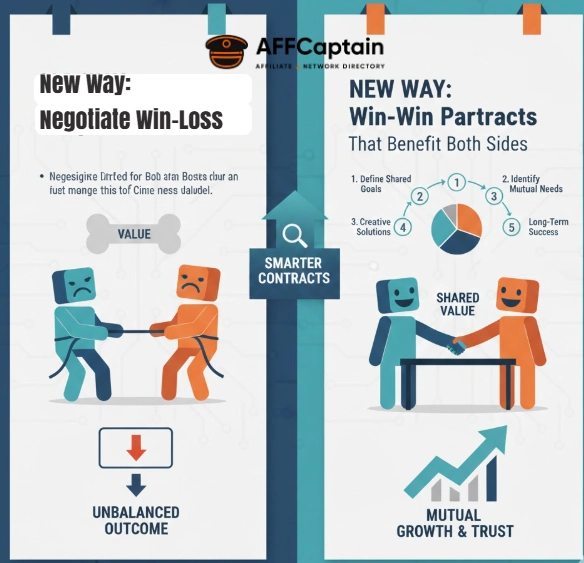
Finally, preparing your offering means rethinking your contract terms. High-value partners do not just accept the default public commission rate. They negotiate.
Because brands are facing rising costs in other channels (like paid search), they are willing to pay a premium for sustainable revenue streams coming from affiliates.
Negotiation levers for 2026:
Default commission rates are for beginners. Premium affiliates negotiate hybrid compensation, exclusivity deals, and content licensing that reflect their true business value.
🚀 What Winning Affiliates Do Differently
Global affiliate marketing spending hit approximately $17-18.5 billion in 2025. Projections exceed $20 billion in 2026, with growth continuing toward $71.74 billion by 2034.
Affiliates capturing these expanding budgets treat partnerships as core business—not side projects. They invest in AI tools, create original content, and build measurement capabilities that brands respect.
Brands aren't looking for more promotional channels. They want partners who help achieve business objectives more effectively than paid search or social ads.
Affiliates who prepare offerings to meet elevated expectations will win a disproportionate share of growing brand investment.